



 7 / 48

7
Fall 2017
3
there are those who empathize with the immigrant population.
“People have the same compassion for the immigrant as maybe
people [in the Midwest] have for the homeless,” said Moya.
Although Border Perspective isn’t the typical mission trip, the
desire to connect
and serve those in
need was instilled in
Moya at Bethel. He
first went on a Hong
Kong taskforce trip
and later a Hurricane
Katrina task force trip
in Louisiana. He then
began volunteering
with the non-profit Experience Mission, where he now works as the
Regional Coordinator.
And it was the Missionary Church that brought Moya to Bethel in
the first place.
“My dad literally sent me away to Bethel because of the history
and experience that he had [as a pastor] with the Missionary Church,”
he said.
Moya also developed a passion for photography in a digital
photography class at Bethel, a passion he translated into Border
Perspective by putting together a mini-documentary of the
trip. Eventually, the brothers plan to host gallery-installments in
Minneapolis, Minn., showcasing
the stories and photos of the
experience.
While the trip had a finite life,
Moya knows nine days wasn’t
enough to tell all the stories of
the people who span the length
of the border
“I feel now that we could
spend nine days in just one
place along the border,” said Moya.
Despite the emotional toll the trip has taken on him, Moya and his
brother are planning to return to the border within the next year.
“God is demanding more and more love and a balanced view and
perspective of me,” said Moya. “I think this trip kicked that off in a
very healthy way.”
“I think as storytellers, we have the ability to
connect people to others, and that’s what I
wanted to dowith Border Perspective.”
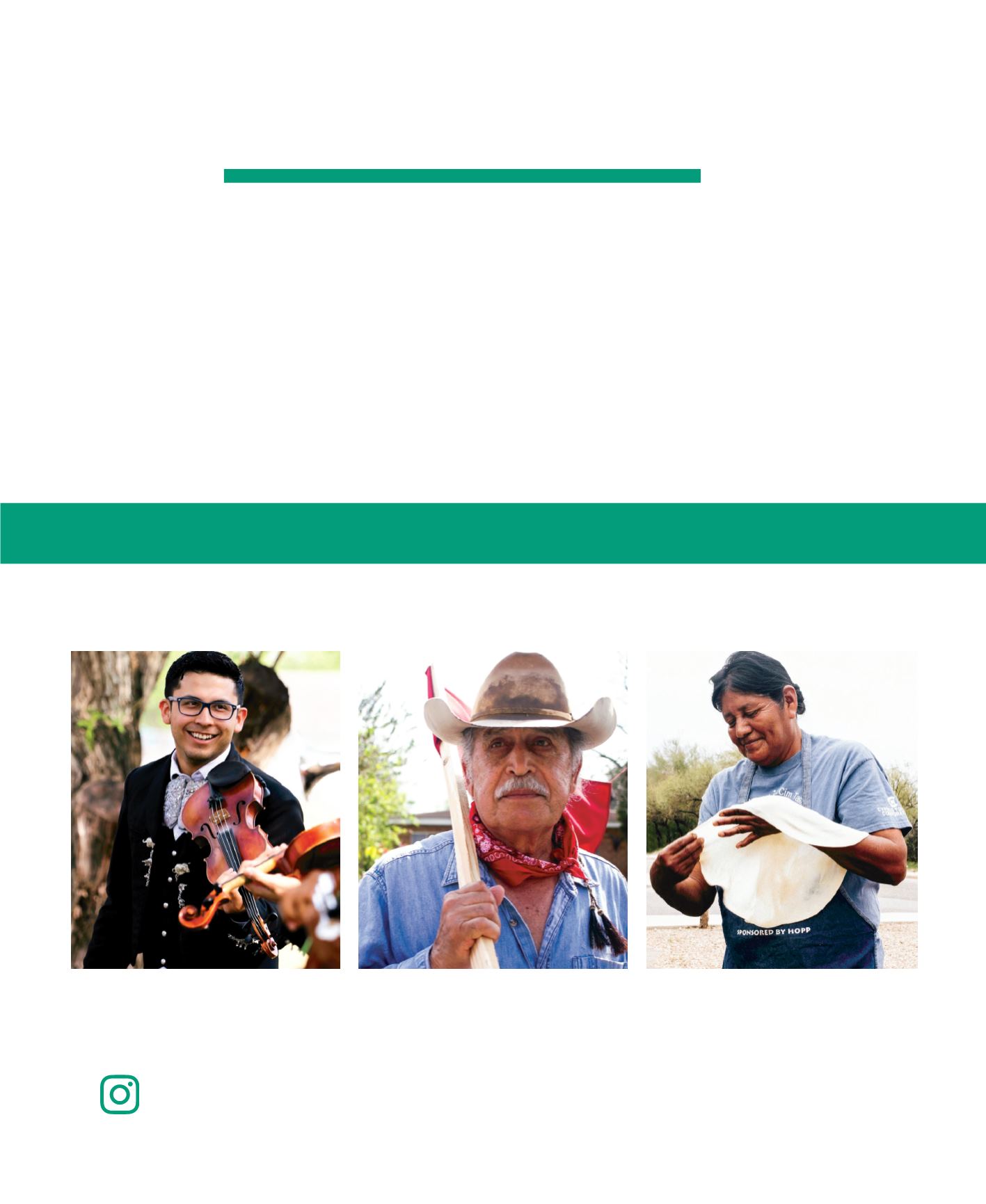
MARIACHI IS A MUSICAL EXPRESSION THAT DATES
BACK TO AT LEAST 18TH CENTURY WESTERN MEXICO.
TODAY, MARIACHI MUSIC IS TAUGHT AT LOCAL
SCHOOLS IN BORDER TOWNS ALL OVER SOUTH TEXAS.
Here are a few photos taken on the border perspective trip and posted on Instagram, with abridged captions. To get
the full perspective, visit
Instagram.com/BorderPerspective ,or find them on Instagram –
@BorderPerspective
.
WHILE IN SAN JUAN, TEXAS, WE CAME UPON A
GROUP OF ABOUT 100 MARCHERS. IT WASN’T A
PROTEST MARCH BUT A 40TH ANNIVERSARY OF
TEXAS FARMWORKERS MARCH FOR HUMAN RIGHTS
CELEBRATION.
“WE DIDN’T CROSS THE BORDER, THE BORDER CROSSED
US,” JANET, A MEMBER OF THE TOHONO O’ODHAM
TRIBE, EXPLAINED. WHEN THE GADSDEN PURCHASE
WAS MADE, THE TRIBE WAS DIVIDED. “MY MOM’S HOUSE
STAYED ON THE MEXICAN SIDE AND THE REST OF MY
FAMILY STAYED ON THE U.S. SIDE,” SHE SAID. AS MORE
BORDER REGULATIONS ARE IMPLEMENTED, JANET AND
HER FAMILY MEMBERS FIND IT MORE DIFFICULT TO VISIT
EACH OTHER ACROSS A DIVIDED LAND.
STORIES FROMTHE BORDER
@BORDERPERSPECTIVE